Understanding the psychology behind why people gamble
The Allure of Gambling
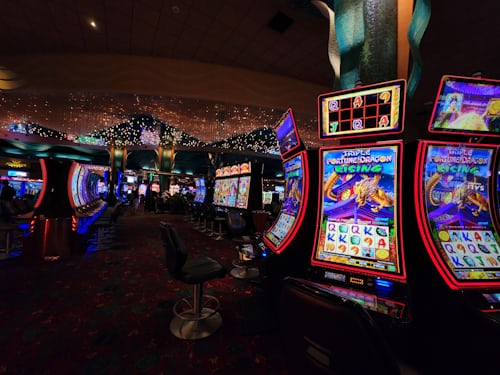
The allure of gambling often stems from the thrill and excitement it provides. People are naturally drawn to activities that provoke strong emotional responses, and gambling is no exception. The possibility of winning big creates an adrenaline rush that many find intoxicating. This rush can be particularly pronounced in high-stakes environments like casinos, where the sounds, lights, and atmosphere are meticulously designed to keep players engaged and coming back for more.
The Role of Cognitive Biases
Cognitive biases play a crucial role in gambling behavior. One prominent bias is the “gambler’s fallacy,” where individuals believe that past events influence future outcomes. For instance, a player may think that after a series of losses, a win is due. This fallacy can lead to increased betting as people chase losses, often spiraling into deeper gambling habits.
Another significant cognitive distortion is the overestimation of personal skill. Gamblers may believe they can influence outcomes in games of chance, leading to overconfidence in their betting decisions. This illusion of control can result in extended gambling sessions, often fueled by the hope of turning things around. It’s a psychological trap that many fall into, thinking they can outsmart the odds.
Additionally, the concept of “near-misses” can enhance the gambling experience. When a player nearly wins, such as landing on two out of three matching symbols, the brain often interprets this as a sign of potential success. This can spur continued gambling, as the player feels closer to winning, despite the odds remaining unchanged. Such cognitive biases can create a cycle of hope and disappointment, making it increasingly difficult to break free from gambling behavior.
Social and Environmental Influences
Social factors greatly influence why people gamble. Peer pressure, cultural norms, and societal expectations can all play significant roles in an individual’s gambling behavior. For example, in some cultures, gambling is seen as a rite of passage or a social bonding activity, normalizing the behavior among members of the community. This acceptance can compel individuals to gamble to fit in or to enjoy communal experiences.
Moreover, the environment in which gambling occurs can enhance its appeal. The vibrant atmosphere of casinos, complete with engaging visuals and sounds, creates a sensory experience that can feel addictive. Promotions, bonuses, and incentives offered by gambling establishments further entice players, framing gambling not just as a game of chance but as an opportunity for social interaction and entertainment.
Gambling is also increasingly integrated into social media and online platforms, making it more accessible than ever. The rise of online gambling has created a unique blend of social interaction and betting, allowing people to engage with their friends and share their experiences in real-time. This communal aspect can heighten excitement, but it can also lead to problematic gambling behavior, as the lines between social gaming and risky gambling can blur.
The Impact of Emotion and Stress
Emotions significantly influence gambling behavior. Many individuals turn to gambling as an escape from stress, anxiety, or depression. The temporary distraction that gambling provides can be appealing, allowing individuals to forget their worries, even if just for a moment. The emotional highs and lows experienced during gambling can be intoxicating, further reinforcing the behavior.
Conversely, the emotional fallout from gambling can create a vicious cycle. After experiencing a loss, individuals may feel compelled to gamble again to regain what they’ve lost. This can lead to heightened stress, further influencing gambling as a means of coping. Unfortunately, this cycle can trap individuals in a pattern of behavior that is difficult to escape, often leading to significant personal and financial consequences.
Additionally, the effects of gambling on mental health can be profound. Research shows that problem gamblers are at a higher risk for mental health issues, including anxiety and depression. The stigma surrounding gambling addiction can make it even more challenging for individuals to seek help, trapping them in a cycle of shame and isolation. Understanding this emotional connection is critical in addressing gambling addiction and developing healthier coping mechanisms.
Exploring Betscore Casino’s Role in Gambling Psychology
In today’s digital age, online gambling platforms like offer an extensive range of games and services, making gambling more accessible to a broader audience. The vast selection of games—from slots to live dealer options—coupled with enticing bonuses can heighten the appeal of gambling, often drawing players in for longer sessions. This heightened accessibility can amplify both the positive aspects of social interaction and the negative aspects of gambling addiction.
is designed with user experience in mind, providing a visually engaging and immersive environment that can enhance the psychological appeal of gambling. With its impressive library of over 10,850 games, players may find themselves easily captivated by the options available, inadvertently leading to prolonged playtime. This design taps into the emotions of excitement and anticipation that often accompany gambling.
Moreover, prioritizes player safety, incorporating security measures to protect user data and provide a secure gaming environment. This focus on safety, combined with 24/7 customer support, helps create a supportive atmosphere for players who may grapple with their gambling behavior. By acknowledging the psychological factors at play, aims to foster responsible gambling habits while still delivering an exciting gaming experience.